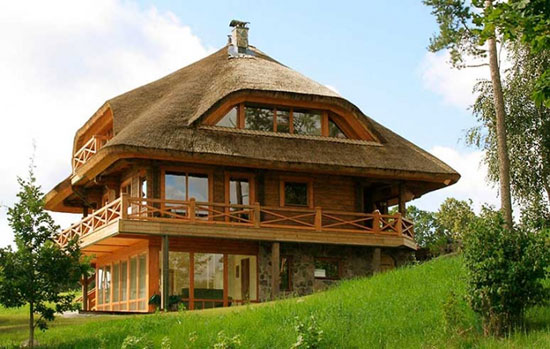
Why Natural Materials In Home Architecture Feel So Alive
I’ve always been fascinated by how a home can feel alive, how wood, stone, clay, or even bamboo can turn a simple space into something deeply comforting. The more I study architecture, the more I realize that using natural materials isn’t just an aesthetic choice; it’s a way of connecting with nature while building sustainably.
These materials bring warmth, character, and a sense of calm that synthetic alternatives can’t replicate. Over the years, I’ve learned that designing with natural materials goes far beyond appearances. It’s about creating homes that breathe, age gracefully, and support our wellbeing.
I’ll be sharing the 20 benefits of using natural materials in home architecture, from improved air quality and thermal comfort to lower maintenance and timeless beauty. Each one reflects what I’ve personally discovered about living closer to nature through design, texture, and intention.
What Do We Mean By “Natural Materials” In Architecture?
When I say natural materials, I’m talking about materials that come directly from nature with minimal industrial processing. Think of wood, stone, clay, lime, bamboo, cork, wool insulation, and even earth-based plasters. These materials are renewable, biodegradable, and often locally sourced.
Unlike plastics or composites that are energy-intensive and full of chemicals, natural materials breathe, age gracefully, and blend with their surroundings. They don’t just make a home look organic; they help it feel balanced, calm, and connected to the environment.
Here are the benefits of using natural materials in home architecture
1. Lower Carbon Footprint
Natural materials require less energy to produce than synthetic ones. For instance, timber stores carbon dioxide absorbed by trees, while concrete and steel emit huge amounts of it during production. When we build with materials like bamboo or wood, we’re literally locking away carbon, helping the planet breathe a little easier.
2. Renewable And Sustainable Sources
Materials like bamboo, cork, or straw can regrow quickly. Using them supports sustainable forestry and reduces the pressure on non-renewable resources. I’ve worked on homes where builders sourced timber from nearby forests, not only cutting down transport emissions but also supporting local economies.
3. Less Construction Waste
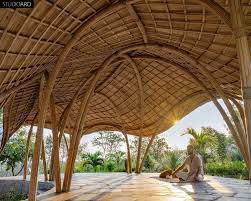
Natural materials can often be reused, repurposed, or safely returned to the earth at the end of their life. Old bricks can be reclaimed, timber beams reshaped, and clay plasters rehydrated. This circular approach to design means far less landfill waste, something every builder should care about.
4. Local Sourcing Reduces Transport Emissions
Choosing stone from a local quarry or clay from nearby soil cuts transportation costs and emissions. Local materials also blend harmoniously with their environment a home built from regional stone feels like it belongs exactly where it stands.
5. Healthier Indoor Air Quality
Many modern materials release VOCs (volatile organic compounds) that pollute indoor air. Natural materials like lime plaster, solid wood, and clay don’t emit these toxins; instead, they help purify the air. In my experience, you can literally feel the freshness in a space made from natural finishes.
6. Natural Humidity Regulation
Clay walls, wooden floors, and wool insulation absorb moisture when it’s high and release it when it’s low. This keeps indoor humidity balanced, reducing mold and bacteria growth. It’s one of those invisible comforts you only notice when it’s missing.
7. Fewer Allergens And Chemicals
Natural fibers and untreated woods are hypoallergenic and free from harsh glues or resins. That makes them ideal for people with asthma or chemical sensitivities. I’ve seen families move into such homes and notice their kids’ allergies ease within weeks.
8. Emotional And Psychological Comfort
Humans instinctively feel a sense of relaxation in spaces that reflect nature. This is the essence of biophilic design, connecting people to natural textures, colors, and light. A timber ceiling or stone wall doesn’t just look warm; it feels reassuring, helping reduce stress and anxiety.
In the same way that red light therapysupports relaxation and balance in the body, natural materials help restore emotional calm by creating an environment that feels grounded and alive.
9. Natural Insulation Properties
Materials like hempcrete, cork, and sheep’s wool have excellent insulating qualities. They keep homes warmer in winter and cooler in summer, lowering energy bills. It’s amazing how much comfort can come from something as simple as nature’s own fibers.
10. Thermal Mass For Stable Temperatures
Stone, adobe, and clay store heat during the day and release it slowly at night. This natural “thermal battery” reduces temperature swings and cuts down the need for artificial heating and cooling.
11. Compatibility With Passive Design
Natural materials often pair perfectly with passive solar design principles wide eaves, cross-ventilation, and thick earthen walls. Together, they create homes that need minimal mechanical systems to stay comfortable year-round.
12. Energy Savings Over Time
Though natural materials can sometimes cost more upfront, they pay off in the long run through lower maintenance and energy use. I’ve seen homeowners save hundreds yearly on heating and cooling simply because their house works with the climate, not against it.
13. Natural Sound Absorption
Wood, cork, and natural fibers absorb sound waves, reducing echoes and creating a peaceful acoustic environment. It’s one reason why music studios often use wood panels the material calms sound, not just people.
14. Balanced Indoor Atmosphere
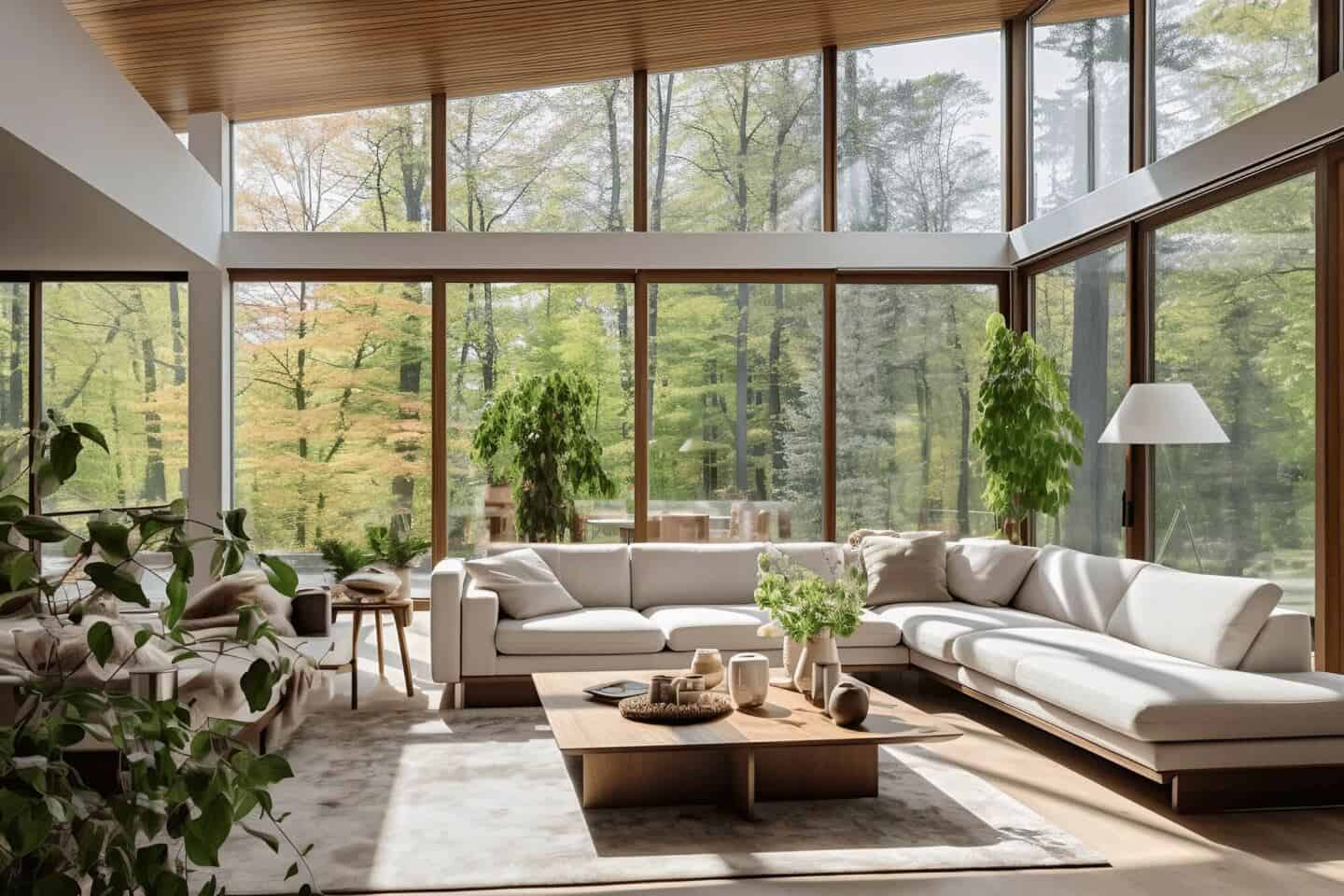
Beyond temperature and noise, natural materials help maintain balanced indoor microclimates. You won’t get that dry, artificial feel that’s common in plastic-heavy interiors. The difference is subtle but noticeable; it feels more like “breathing” inside the space.
15. Long-Lasting And Repairable
Natural materials tend to last longer because they’re built to age, not to be replaced. A wooden floor can be sanded and refinished. Lime plaster can be patched. Stone lasts for centuries. Instead of disposal, natural homes invite care and repair.
16. Beautiful Aging And Patina
Unlike artificial materials that degrade, natural ones often improve with time. Wood deepens in tone, stone gains character, and copper develops a warm patina. Each year adds more story to the home.
17. Easier Recycling Or Reuse
At the end of a building’s life, natural materials can often be reused or returned safely to the earth. This makes them ideal for sustainable demolition and rebuilding cycles. Much like how organic materials help increase joint elasticity and mobilityin the human body, natural building materials keep the architectural ecosystem flexible allowing structures to adapt, evolve, and renew without waste.
18. Timeless Beauty And Texture
Natural materials have depth and uniqueness no two stones or wood grains are the same. This creates spaces that feel personal and full of life. When I enter such homes, I notice people instinctively touch the walls, floors, and beams it’s that tactile connection that man-made materials rarely offer.
19. Connection To Place And Culture
Every region has its traditional materials adobe in deserts, timber in forests, stone in mountains. Building with them preserves local identity and craft. I’ve found that such homes tell stories of both land and people.
20. Greater Emotional Attachment And Well-being
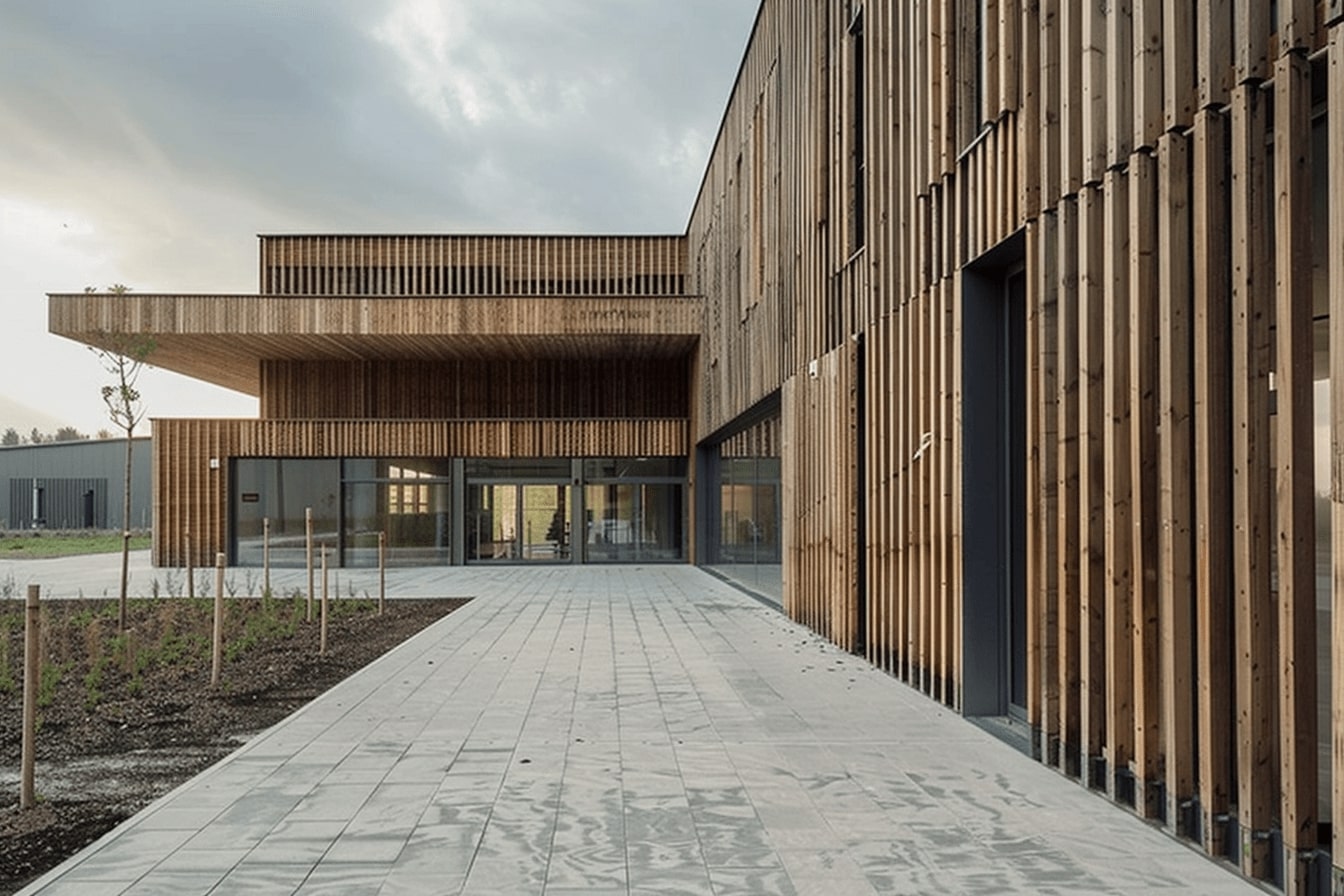
Homes built with natural materials often create deeper emotional bonds. When your surroundings breathe, age, and evolve, the space becomes part of your life, not just a backdrop. It’s the difference between living in a home and with it.
How To Successfully Implement Natural Materials In Your Home
Now that I've convinced you that natural materials make sense, let me provide you with practical guidance on how to use them effectively. The biggest obstacles people face are knowledge gaps and finding qualified contractors, not the materials themselves.
Start With Your Climate Zone
Natural materials perform differently in different climates, and understanding these relationships is crucial. Heavy thermal mass works beautifully in climates with significant day-night temperature swings but provides less benefit in constantly hot or cold climates.
Straw bale excels in dry climates but requires additional moisture protection in humid regions. Stone foundations work everywhere, but the specific stone types and installation methods vary.
Address Building Codes Proactively
This concerns many people, but here's the reality: natural materials can meet building codes, but you need to demonstrate compliance properly. Work with architects and engineers who understand natural building.
Many codes now include specific provisions for materials like straw bale, rammed earth, and timber framing. Where codes don't address natural materials specifically, you can often demonstrate equivalent performance through testing and engineering.
Find Experienced Contractors Or Be Prepared To Learn
The biggest practical challenge is finding builders who really understand natural materials. Look for contractors certified in natural building techniques through organizations like the Ecological Building Network. Attend workshops on natural building. Join local natural building communities.
The knowledge exists you just need to connect with it. Traditional mosque architectureis a great example of this craftsmanship, where builders have long mastered natural materials like clay, stone, and wood to create spaces that are both spiritual and sustainable.
Consider Hybrid Approaches
You don't have to build exclusively with natural materials to gain significant benefits. Start with timber framing instead of stick framing. Use natural plasters on conventional walls. Install cork or bamboo flooring. Choose natural insulation options. Each natural material you incorporate improves your home's performance and livability.
Budget Realistically But Don't Assume Higher Costs
Some natural materials cost more than the cheapest conventional alternatives, but they're often competitive with higher-quality conventional products. When you factor in energy savings, durability, and reduced maintenance, natural materials frequently represent better value. I've seen natural homes built for conventional construction budgets through smart material selection and owner participation.
People Also Ask
What Qualifies As A Natural Building Material?
Anything that comes directly from nature and undergoes minimal industrial processing wood, stone, clay, cork, wool, straw, and bamboo are the most common examples.
Are Natural Materials More Expensive?
Sometimes the initial cost is higher, but they often save money long-term through energy efficiency and durability. Locally sourced materials can also lower costs.
How Do Natural Materials Improve Indoor Air Quality?
They don’t emit harmful chemicals like VOCs. Materials such as clay or lime even absorb toxins, improving the air you breathe every day.
Are Natural Materials Durable Enough For Modern Homes?
Yes. Many ancient buildings made of stone, wood, or earth still stand today. The key is proper design, finishing, and maintenance.
Can Natural Materials Be Combined With Modern Systems?
Absolutely. Many architects mix natural finishes with modern structures such as using timber cladding over concrete or straw insulation with steel framing.
Final Thoughts
Every time I step into a naturally built home, I’m reminded that architecture is more than just walls and roofs; it’s an extension of the living world. Natural materials reconnect us with that truth. They offer balance, warmth, and integrity in a time when so many things feel artificial.
If you’re designing, building, or renovating, consider letting nature in not just as decoration but as a foundation. A home made with natural materials doesn’t just protect you from the world; it helps you live more in tune with it.