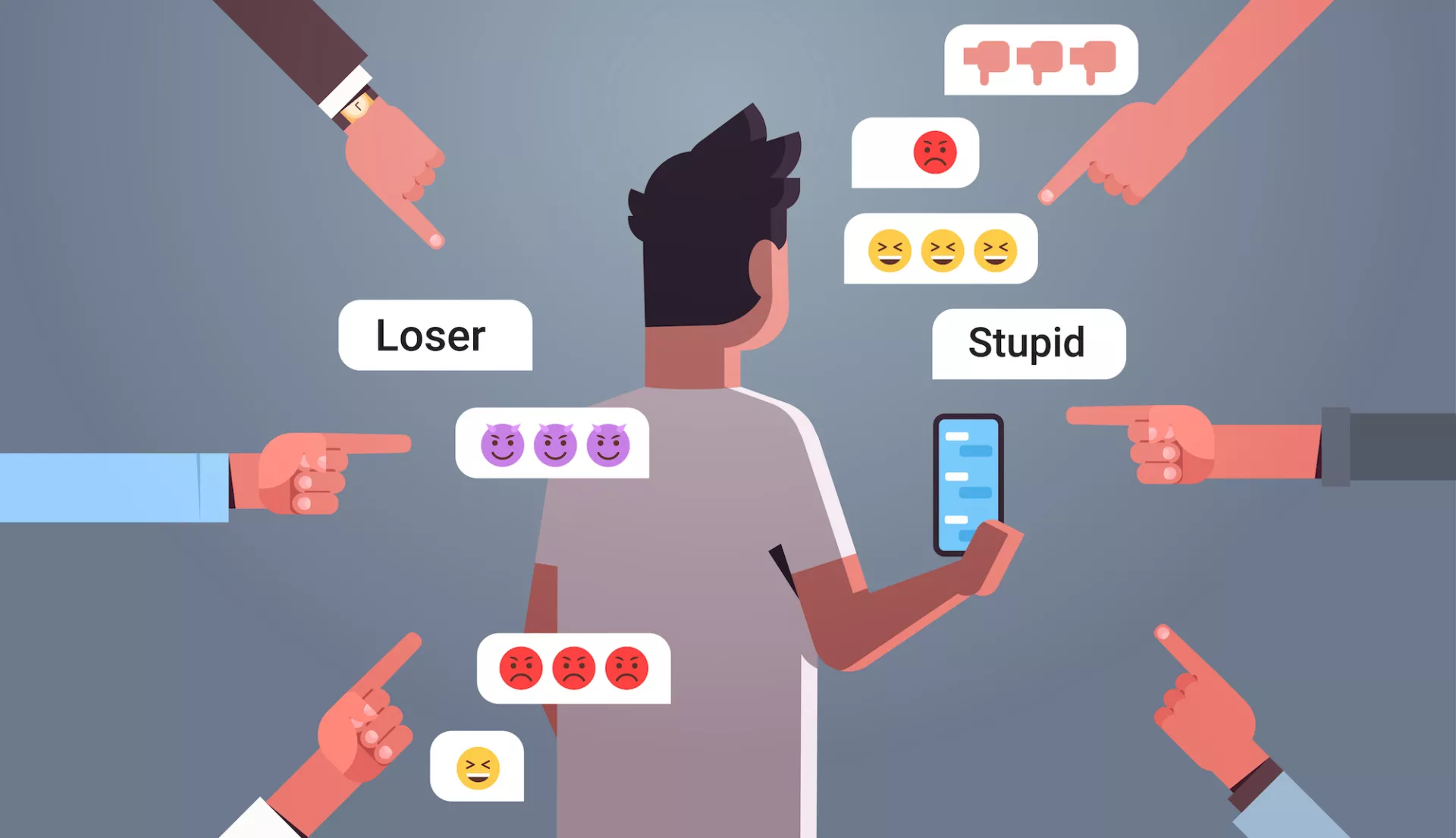
I still remember the sinking feeling when my niece came to me, tears streaming down her face, showing me the cruel messages that kept flooding her phone. That moment changed everything for me; it made me realize how deeply cyberbullying cuts, and how desperately we need real solutions.
The truth is, cyberbullying has become one of the most pressing challenges facing young people today. Unlike traditional bullying that ended when you left the schoolyard, online harassment follows you home, invades your safe spaces, and can feel absolutely inescapable.
But here's what gives me hope: you're not powerless against cyberbullying. The right strategies can make all the difference. The key isn't just knowing what to do; it's understanding why these approaches work and how to apply them to your unique situation.
1. Don't React Immediately
When that notification lights up your phone with something hurtful, every instinct screams at you to respond. I get it. But here's what most people don't tell you: the person cyberbullying you is counting on that immediate emotional reaction. Your anger, your pain, your defensive response. That's exactly what gives them power.
Taking a deliberate pause isn't a weakness. It's a strategic strength. Put your phone down for at least an hour, maybe longer. During this time, your emotional intensity naturally decreases, and your rational thinking kicks back in. You move from reactive mode to responsive mode, which completely changes the dynamic.
This cooling-off period also gives you clarity to assess the situation properly. Is this a one-time incident or part of a pattern? Does this person want attention, or is there a deeper issue at play? These distinctions matter when deciding your next steps.
2. Document Everything

Start screenshotting immediately, but do it smartly. Capture the entire context: the username, the timestamp, the full conversation thread, and any identifying information. Save these images in multiple places. Your phone, cloud storage, and even email them to yourself. Digital evidence can disappear in seconds, but once you've documented it properly, you have permanent proof.
Keep a detailed log with dates, times, platforms, and descriptions of each incident. This written record becomes invaluable if you need to report the behavior to school authorities, platform administrators, or, in severe cases, law enforcement. Without documentation, it becomes a "he said, she said" situation that's nearly impossible to resolve.
Many platforms have specific reporting requirements, and having comprehensive evidence ensures your complaint gets taken seriously. The documentation also helps you see patterns you might otherwise miss, like specific times the bullying intensifies or particular triggers that escalate the situation.
3. Block And Restrict Access Without Hesitation
Blocking isn't dramatic or childish. It's setting a boundary. Most social platforms make blocking incredibly easy, yet many people hesitate because they worry about appearing weak or escalating the conflict. Let me be clear: removing someone's access to you is one of the most powerful moves you can make.
When you block a cyberbully, you're not just hiding their messages. You're eliminating their direct channel to target you. They can't see your posts, they can't tag you, and they can't continue the harassment through that platform. This forces them to work much harder to continue their behavior, and most give up when faced with that obstacle.
Use multiple blocking features together for maximum protection. Block the person, turn off tagging permissions, restrict who can see your posts, and adjust your privacy settings so strangers can't find or contact you. Creating these layers of protection significantly reduces vulnerability.
4. Report Through Official Channels
Social media companies have invested millions in developing reporting mechanisms, yet these tools remain underutilized. Every major platform, like Instagram, TikTok, Snapchat, Facebook, X, formerly Twitter, and also chatting platforms, has clear policies against harassment and specific reporting workflows. Learn how to use them.
When you report cyberbullying through official channels, you trigger a review process that can result in content removal, account suspension, or permanent bans. These aren't empty gestures. Platform moderation teams take threats and harassment seriously because their liability depends on it. Your report creates a paper trail that holds both the perpetrator and the platform accountable.
Don't stop at platform reporting if the behavior is severe. Schools have anti-bullying policies that extend to online behavior, especially when it involves classmates and affects the learning environment. Similarly, if threats involve physical harm or illegal activities like sharing explicit images of minors, law enforcement needs to be involved immediately.
5. Limit Your Digital Footprint
Think of your online presence like your house. You wouldn't leave every door and window open with signs pointing to all your valuables, right? Apply the same logic digitally. Review every privacy setting on every platform you use, and default to the most restrictive options that still allow you to maintain the connections you value.
Make your profiles private so only approved connections can see your content. Remove location tagging from posts. Cyberbullies don't need to know where you are or the places you frequent. Be selective about accepting friend or follow requests, and regularly audit your connections to remove people you no longer trust or know.
Your digital footprint includes more than just your profiles. Search your name regularly to see what information about you exists publicly. Contact websites to remove outdated or sensitive information. The less ammunition cyberbullies have access to, the less they can use against you.
6. Secure Your Accounts
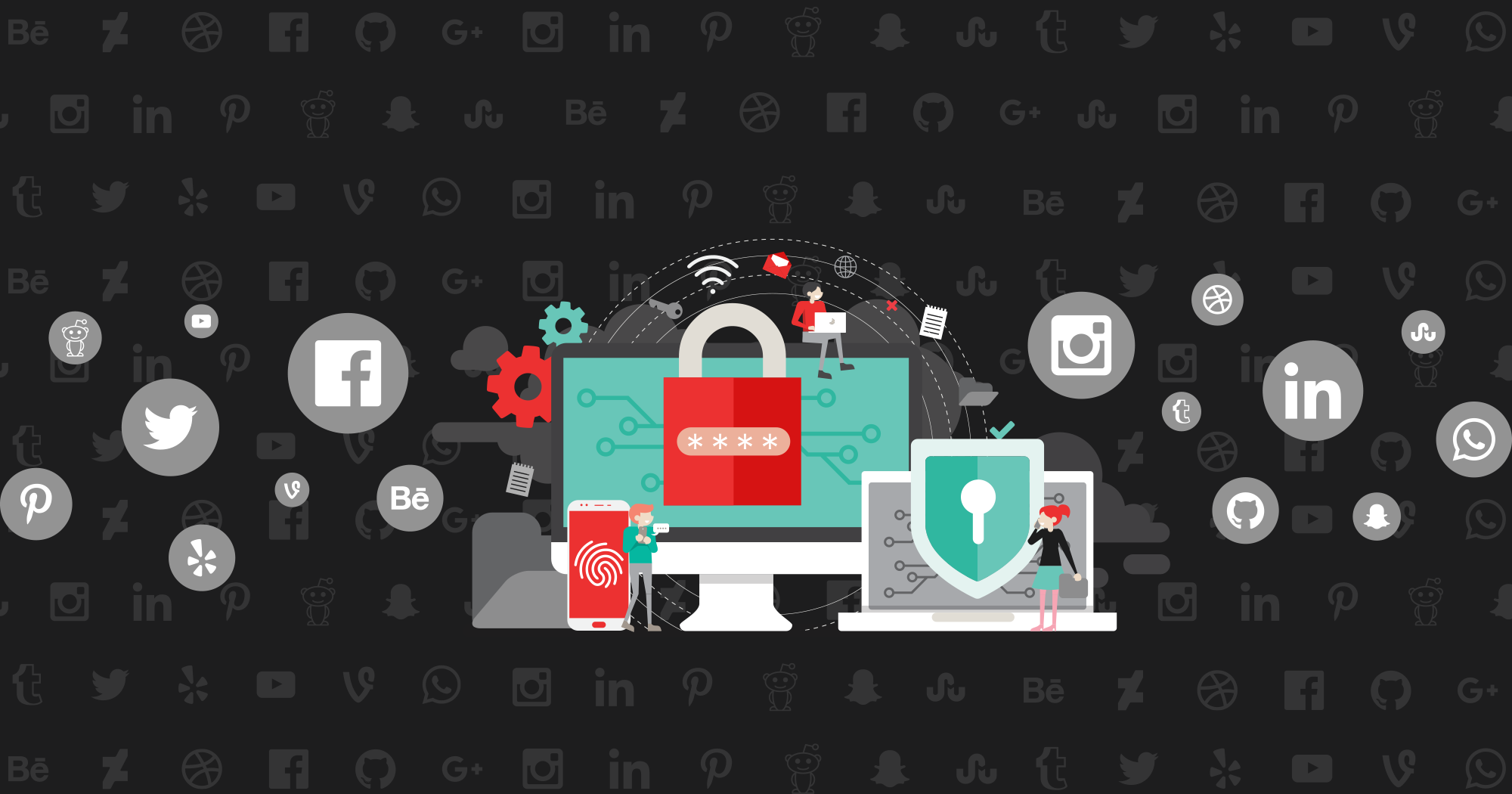
Account security isn't just about preventing hackers. It's about preventing someone from impersonating you or accessing private information they can weaponize. Start with strong, unique passwords for every account. Yes, every single one. Use a password manager if remembering them feels overwhelming.
Enable two-factor authenticationwherever possible. This adds a second verification step that makes it exponentially harder for someone to break into your accounts, even if they somehow get your password. Update your security questions to answers that aren't easily guessable from your social media or public records.
Never share your passwords with anyone, even close friends. Friendships change, and what seemed safe today might become a vulnerability tomorrow. If you've previously shared passwords, change them immediately. Similarly, log out of accounts on shared devices and never save passwords in public computers or browsers.
7. Take Strategic Breaks From Technology
Constant connectivity means constant exposure to potential harassment. When cyberbullying becomes overwhelming, stepping away from technology isn't running away. It's reclaiming control over your mental and emotional well-being. You're not being punished by going offline; you're actively choosing self-care over continued exposure to toxicity.
Start with defined digital detox periods. Maybe it's phone-free evenings or weekends where you only check messages at specific times. During these breaks, redirect your energy toward activities that rebuild your sense of self: spend time with supportive people face-to-face, engage in hobbies you love, exercise, or simply exist without the pressure of online presence.
These breaks also serve a strategic purpose. They disrupt the bully's access to you and often lead them to lose interest or move on to other targets. Cyberbullies thrive on immediate reactions and ongoing engagement. Remove yourself from the equation, and you remove their fuel.
8. Build Your Support Network
Isolation is the cyberbully's greatest weapon. They want you to feel alone, ashamed, and like nobody would understand or believe you. Breaking that isolation by reaching out to trusted people is one of the most powerful resistance acts you can take.
Choose your confidants carefully. Start with people who've proven themselves trustworthy and supportive: parents, older siblings, school counselors, trusted teachers, or mental health professionals. Share what's happening, show them the evidence, and let them help you process both the emotional impact and the practical response strategies.
Your support network extends beyond individuals. Connect with organizations specifically designed to help cyberbullying victims. Groups like the Cyberbullying Research Center, StopBullying.gov, and crisis text lines provide resources, advice, and sometimes just the validation that what you're experiencing is real and serious.
9. Involve Your Parents Or Guardians
Many young people hesitate to tell parents about cyberbullying because they fear losing access to their devices or having parents overreact. But here's what you need to understand: parents have resources, legal standing, and life experience that can completely change the situation's trajectory.
When you involve parents, you gain advocates who can contact the bully's parents, school administrators, and, if necessary, legal authorities on your behalf. They can navigate institutional systems that might intimidate you, and their involvement signals to everyone (including the bully) that you're not an isolated target but someone with powerful backup.
Help your parents understand the full context. Show them the evidence, explain the platform dynamics, and make them see how this differs from their generation's bullying experiences. Work together on response strategies rather than having solutions imposed on you. This collaboration respects your agency while bringing adult resources to bear.
10. Never Retaliate Or Engage
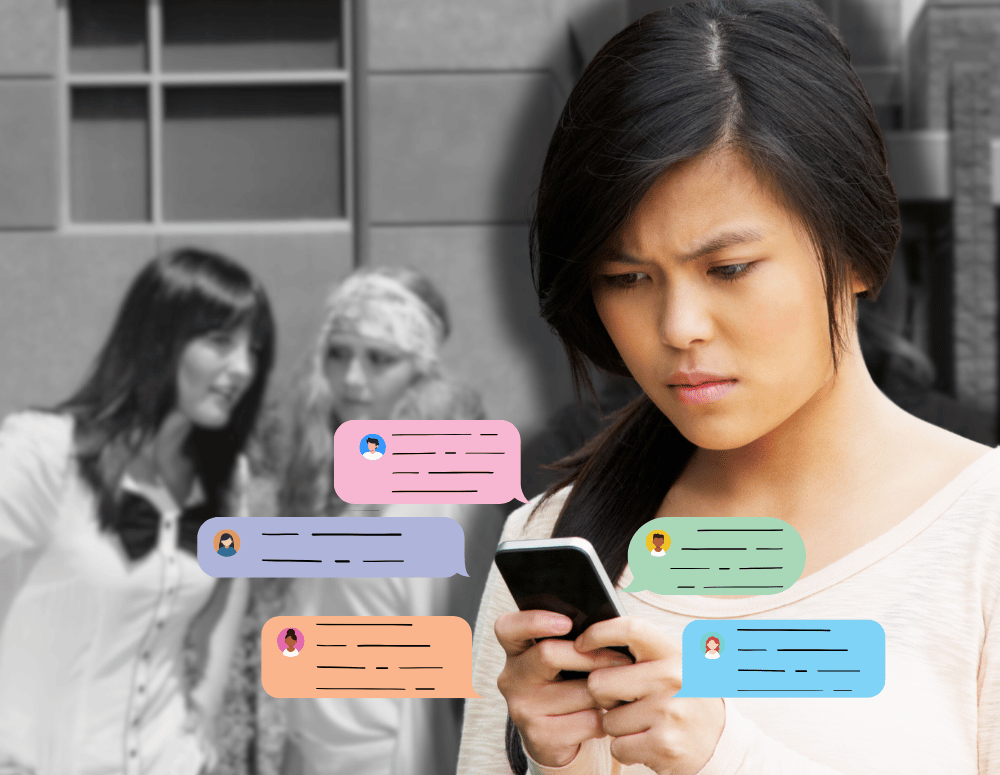
Every fiber of your being might want to fight back, to show the bully they can't get away with treating you this way. Resist that urge completely. Retaliation accomplishes exactly what the bully wants. It pulls you down to their level, provides them with more ammunition, and can actually make you look like the aggressor to outside observers.
Engagement of any kind (even defensive explanations or attempts to reason with the person) feeds the behavior. Cyberbullies aren't looking for dialogue or resolution; they're looking for reactions, drama, and continued attention. Every response you provide, regardless of its content, rewards their behavior and encourages escalation.
The data backs this up: teenagers who report the most success in stopping cyberbullying overwhelmingly cite ignoring the bully as a key strategy. When bullies can't get reactions, they lose interest and move on. Your silence and non-engagement become the most powerful response possible.
11. Understand And Use Reporting Requirements
Different jurisdictions have different laws regarding cyberbullying, and knowing your specific rights empowers you to take appropriate action. Many states have laws that require schools to address cyberbullying, even when it occurs off school property, if it creates a hostile educational environment for students.
Familiarize yourself with your school's specific policies on bullying and cyberbullying. Most schools have explicit procedures for reporting, investigating, and addressing these issues. Document your reports in writing and keep copies of all correspondence. If your school fails to respond appropriately, you have grounds to escalate to the district level or even file formal complaints.
Some forms of cyberbullying cross into criminal behavior: threats of violence, extortion, distributing intimate images of minors, stalking, or hate crimes. When behavior falls into these categories, law enforcement involvement isn't optional; it's necessary. Don't let anyone minimize serious criminal activity as "just kids being mean online."
12. Protect Your Mental Health
The psychological impact of cyberbullyingcan be severe and long-lasting. Victims experience higher rates of depression, anxiety, sleep disturbances, and even suicidal ideation compared to their non-bullied peers. Recognizing these effects and actively addressing your mental health isn't a weakness. It's essential self-preservation.
Develop healthy coping mechanisms that help you process the stress and emotional pain. This might include journaling, talking with a therapist, practicing mindfulness or meditation, engaging in physical activity, or pursuing creative outlets. These activities don't erase what happened, but they help you manage the emotional burden without letting it consume you.
Watch for warning signs that professional help is needed: persistent sadness, withdrawal from activities you normally enjoy, changes in eating or sleeping patterns, declining academic performance, or thoughts of self-harm. If you notice these symptoms, reach out to a mental health professional immediately. Many schools have counselors specifically trained in supporting students dealing with bullying.
13. Educate Yourself About Platform-Specific Features
Each social platform has unique features designed to protect users, but most people never explore these tools until they're already in crisis. Be proactive. Spend time learning the specific safety features, privacy controls, and reporting mechanisms for every platform you use.
Instagram, for example, lets you restrict accounts without blocking them, hide comments containing specific words, and control who can tag you in posts. TikTok allows you to filter comments, limit who can duet or stitch your videos, and control who can view your content. X has mute, block, and reporting features along with quality filters that limit notifications from accounts that might be abusive.
Understanding these platform-specific tools means you can respond quickly and effectively when problems arise. You're not fumbling through menus trying to figure out how to protect yourself while in distress. You already know exactly which buttons to press and which settings to adjust.
14. Create New Accounts If Necessary

Sometimes the harassment becomes so pervasive across your existing accounts that the healthiest option is starting over. This isn't a defeat. It's a strategic reset that cuts the bully's access completely while letting you maintain your online connections with people who matter.
When creating new accounts, implement security from the beginning. Use a different email address, create usernames that aren't obviously linked to your previous identity, and start with strict privacy settings. Selectively add only people you trust, explaining the situation to them privately so they understand why you're starting fresh.
Notify important contacts through secure channels about your new accounts. This prevents the bully from impersonating you or claiming ownership of abandoned accounts. Close or deactivate old accounts after you've migrated your connections, removing any lingering targets the bully might exploit.
15. Foster Digital Citizenship And Empathy
Here's something most cyberbullying strategies miss: you have power not just to protect yourself but to change the culture that allows cyberbullying to thrive. When you witness others being targeted online, your response matters enormously.
Speaking up for others who are being bullied breaks the bystander effect that allows harassment to continue. You don't have to confront the bully directly. Even simple supportive messages to the victim or reporting the abusive content make a difference. Your intervention reminds the victim they're not alone and signals to the bully that their behavior has social consequences.
Model the online behavior you want to see. Think before you post, consider how your words might impact others, and treat people with the same respect online that you would show them in person. Encourage your friends to do the same. Cultural change happens when individuals collectively decide that cruelty, even online, is unacceptable.
Health Hazards Of Cyberbullying
Cyberbullying poses significant threats to a person's overall health and well-being, often leading to severe and long-lasting psychological and physical consequences. The pervasive, 24/7 nature of online harassment means victims may feel there is no safe place or time to escape the torment, magnifying the effects of the bullying. The health hazards can be categorized into three main areas:
1. Mental And Emotional Health Hazards
The mental and emotional toll of cyberbullying is often profound. Victims commonly experience:
- Depression and Anxiety: Cyberbullying is consistently linked to increased rates of depression, anxiety disorders, and heightened stress levels. The constant feeling of being under attack, judged, or humiliated can lead to feelings of sadness, hopelessness, and worthlessness.
- Low Self-Esteem and Shame: Because cyberbullying content (messages, photos, rumors) can be seen by a large audience and is difficult to remove, victims often feel intense embarrassment, shame, and a significant loss of self-esteem and confidence.
- Isolation and Withdrawal: Victims may isolate themselves from friends, family, and social activities to avoid the bullying or because they feel judged. They may refuse to attend school, avoid social media, or become withdrawn and secretive about their phone/computer use.
- Suicidal Behavior and Self-Harm: In the most severe cases, the emotional distress, hopelessness, and psychological pain caused by cyberbullying can lead to self-harming behaviors, suicidal ideation, and, tragically, suicide attempts or completion.
2. Physical Health Hazards (Somatic Symptoms)
The stress and anxiety caused by cyberbullying often manifest in physical symptoms, as the body reacts to the chronic state of fear and emotional distress. These psychosomatic or physical effects can include:
- Sleep Disturbances: Victims frequently suffer from insomnia, nightmares, or sleeping too much, leading to chronic fatigue.
- Gastrointestinal Issues: Stress can cause or worsen gastrointestinal complications, such as frequent headaches, nausea, abdominal pain, and stomach aches.
- Headaches and Chronic Pain: Frequent or severe tension headaches are common stress-related symptoms.
- Disordered Eating: Changes in appetite, such as skipping meals or binge eating, may occur as victims attempt to cope or try to control a part of their life.
3. Behavioral And Academic Hazards
The ongoing psychological and emotional stress directly impacts a victim's behavior and performance:
- Poor Academic Performance: Difficulty concentrating in school, lower grades, a decline in motivation, and increased absenteeism are common as victims struggle to cope with their emotional pain.
- Substance Abuse: Some victims may turn to unhealthy coping mechanisms, such as increased use of alcohol, drugs, or tobacco, to numb their pain and anxiety.
- Negative Affect on Others: The harmful effects of cyberbullying are not limited to the direct victim; witnesses may also experience anxiety, fear, and helplessness, which can affect their own well-being and behavior.
Frequently Asked Questions
Can I Report Cyberbullying Anonymously?
Yes, most social media platforms allow you to submit a report without the user you are reporting knowing who initiated the complaint. However, when reporting to law enforcement or school authorities, you will need to provide your identity. If you are concerned about your safety, you should always consult with a trusted adult or legal professional first.
Is Blocking The Aggressor An Admission Of Guilt Or Fear?
Absolutely not. Blocking is a technical boundary designed to protect your emotional well-being and privacy. It is an act of self-care and control. The aggressor may see it as a victory, but you have successfully terminated their access to you, which is the ultimate, long-term win for your mental health.
What Should A Parent Do If Their Child Is Being Cyberbullied?
A parent’s first step should be to listen calmly and without judgment. Avoid immediately taking the child’s phone or reacting with anger, as this can make the child withdraw further. Validate their feelings, immediately save the evidence, and collaborate with the child on the next steps, prioritizing their safety and mental health over punitive action against the bully.
How Do I Know When Online Harassment Crosses The Line Into A Crime?
Online harassment becomes a crime when it involves explicit threats of physical violence, the sharing of illegal or explicit material (CSAM), stalking that moves from online to the real world, or identity theft used for malicious financial gain. Simple insulting language, while cruel, is often not illegal, but threats and illegal material always warrant a call to law enforcement.
If I Delete The Social Media App, Will The Harassment Stop Permanently?
Deleting the app from your phone is an excellent temporary digital detox, but it does not delete your account or stop the harassment from continuing online. To truly stop the harassment, you must block the user, report the content, and potentially change your account privacy settings or delete the account entirely.
Will My Digital Footprint Ever Be Clean After A Public Cyberbullying Incident?
The internet has a long memory, but you can control what is visible. Focus on managing your search results (what shows up when someone Googles your name). This involves securing privacy settings, deleting old content, and creating new, positive content to push down the negative links. Time and consistent digital maintenance are your allies here.
Conclusion
The journey of dealing with cyberbullying is more than a list of technical fixes; it is a battle for your own self-worth in the digital age. We've established that the most powerful 15 strategies for dealing with cyberbullying start and end with reclaiming your control, not seeking revenge or a debate.
You have the right to a digital life free from harassment. Remember the Stop, Drop, and Roll framework: Stop engaging with the aggressor, Drop everything to gather and save your evidence, and Roll out of their range using the block and mute buttons.
Your immediate focus must always be on your emotional safety and building the support system, whether that's a trusted adult, a therapist, or law enforcement, that will help you move forward. You are strong enough to shut this down and emerge from this experience with a reinforced sense of resilience.
If you found this guide helpful in navigating a difficult situation, please consider sharing it on your social media networks. Spreading awareness is the first step in combating online harassment.