
Have you ever experienced a mysterious bubbling in chest when lying down no pain, causing concern and curiosity? Fear not, as we delve into the depths of this peculiar phenomenon without pain. Imagine a scenario where you can peacefully lay down without the unease of that subtle bubbling disrupting your tranquility. Our comprehensive guide aims to demystify the origins of this sensation, providing valuable insights into potential causes and proactive steps to take.
Embark on a journey of self-discovery as we explore the nuanced world of bodily sensations, empowering you to take control of your well-being. From lifestyle adjustments to potential medical considerations, our two-part guide offers a holistic approach to addressing the bubbling in your chest. No pain, all gain – unlock the secrets of chest bubbling and reclaim your moments of rest with confidence and understanding.
What Causes Bubbling In Chest When Lying Down?
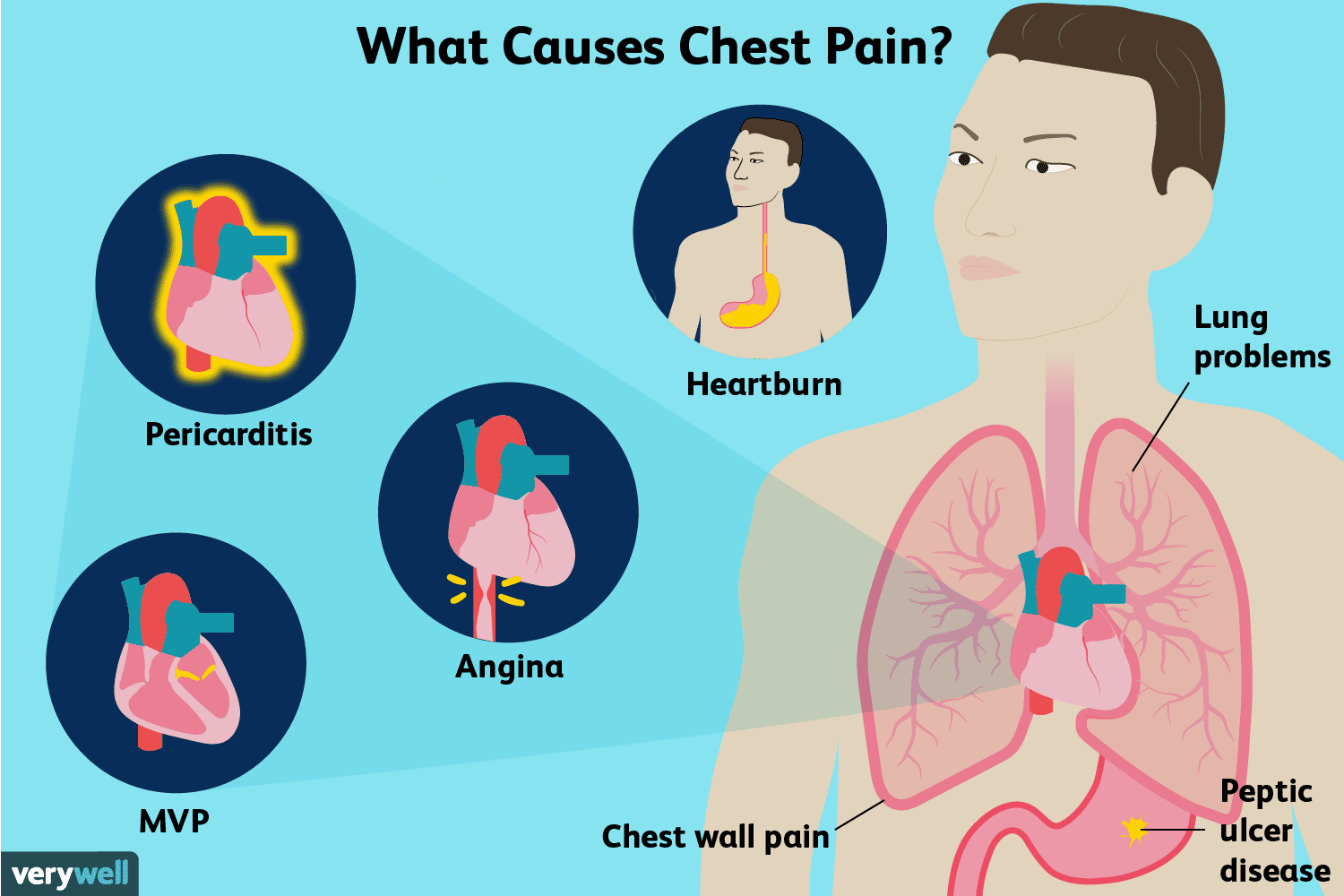
The sensation of bubbling in the chest when lying down can manifest in various ways, and its symptoms may vary from person to person. Individuals commonly describe this feeling as subtle, rhythmic movements or gurgling sensations within the chest cavity. It's important to note that while the sensation may be concerning, it is often not associated with pain.
Symptoms
Here are some common symptoms associated with bubbling in the chest when lying down:
- Gentle Rhythmic Sensation -Many people report feeling a gentle bubbling or gurgling sensation in the chest, similar to the sound of water moving in a stream. This sensation may occur intermittently or persist for a short duration.
- No Pain or Discomfort -One distinguishing feature of this phenomenon is the absence of pain. Unlike chest pain or discomfort associated with heart-related issues, the bubbling sensation is typically not accompanied by any painful feelings.
- Positional Influence -The sensation may be more noticeable when lying down, especially when transitioning from an upright position. Some individuals might find that the bubbling is more pronounced when they are in a horizontal posture.
- Associated with Breathing or Digestion -In some cases, individuals may notice that the bubbling sensation correlates with specific activities, such as breathing deeply or after eating. This could suggest a potential connection to respiratory or digestive processes.
- No Obvious External Signs -There are usually no external signs or visible manifestations of the bubbling sensation. It is an internal feeling that may not be evident to others.
Common Causes
Here's a breakdown of some of the possible causes and their explanations:
1. Gastrointestinal Issues
- Acid Reflux (GERD) -When stomach acid flows back up into the esophagus, it can irritate the lining and cause a variety of symptoms, including a gurgling or bubbling sensation in the chest. This is because the acid can mix with air or mucus, creating a bubbling sound.
- Dyspepsia (Indigestion) -Indigestion is a common digestive problem that can cause a range of symptoms, including bloating, heartburn, and a feeling of fullness after eating. It can also lead to a gurgling or bubbling sensation in the chest, as the digestive process produces gas that can get trapped in the esophagus or stomach.
2. Respiratory Conditions
- Asthma - Asthma is a chronic inflammatory condition that affects the airways, making it difficult to breathe. As the airways become narrowed and inflamed, air can move through them with a wheezing or whistling sound. This restricted airflow can also create a bubbling or crackling sensation in the chest.
- Bronchitis -Bronchitis is an inflammation of the bronchi, the tubes that carry air to and from the lungs. It can cause a variety of symptoms, including coughing, shortness of breath, and a bubbling sensation in the chest. This is because the inflamed bronchi produce excess mucus, which can trap air and create a bubbling sound when breathing.
3. Cardiac Factors (While Less Likely)
Atrial fibrillation is an irregular heartbeat that can cause a variety of symptoms, including chest pain, shortness of breath, and palpitations. In some cases, it may also lead to a bubbling sensation in the chest. This is because the irregular heartbeat can affect the flow of blood through the lungs, creating a sensation of turbulence or bubbling.
4. Psychological Factors
Remember, a bubbling sensation in the chest is not always a cause for alarm. Many of the potential causes are common and manageable. However, if the sensation is severe, persistent, or accompanied by other worrying symptoms, it's important to consult a doctor to rule out any underlying medical conditions.
5. Pleurisy
Pleurisy, also known as pleuritis, is an inflammation of the pleura, the thin layers of tissue that line the lungs and chest wall. This inflammation can cause chest pain, shortness of breath, and other symptoms.
There are many potential causes of pleurisy, including:
- Infections -Viral infections, such as pneumonia, are the most common cause of pleurisy. Other infections that can cause pleurisy include bacterial infections, tuberculosis, and fungal infections.
- Autoimmune diseases -Autoimmune diseases, such as lupus and rheumatoid arthritis, can cause inflammation throughout the body, including the pleura.
- Lung conditions -Lung conditions, such as emphysema and pulmonary embolism, can also cause pleurisy.
- Other causes - Other causes of pleurisy include trauma to the chest, exposure to certain chemicals or toxins, and certain types of cancer.
6. Pneumomediastinum
Pneumomediastinum, also known as mediastinal emphysema, is a condition in which air is present in the mediastinum, the space in the chest between the two lungs. This air can leak out of the lungs, airways, or esophagus and into the mediastinum.
There are many potential causes of pneumomediastinum, including:
- Traumatic injury - Chest trauma, such as from a car accident or fall, can cause air to leak out of the lungs or airways into the mediastinum.
- Pneumothorax -Pneumothorax is a condition in which air leaks out of the lungs into the space between the lungs and chest wall. In some cases, this air can also leak into the mediastinum.
- Esophageal rupture -Esophageal rupture is a tear in the esophagus, the tube that carries food from the mouth to the stomach. This tear can allow air to leak into the mediastinum.
Remember, a bubbling sensation in the chest is not always a cause for alarm. Many of the potential causes are common and manageable. However, if the sensation is severe, persistent, or accompanied by other worrying symptoms, it's important to consult a doctor to rule out any underlying medical conditions.
Treament Of Bubbling In Chest When Lying Down
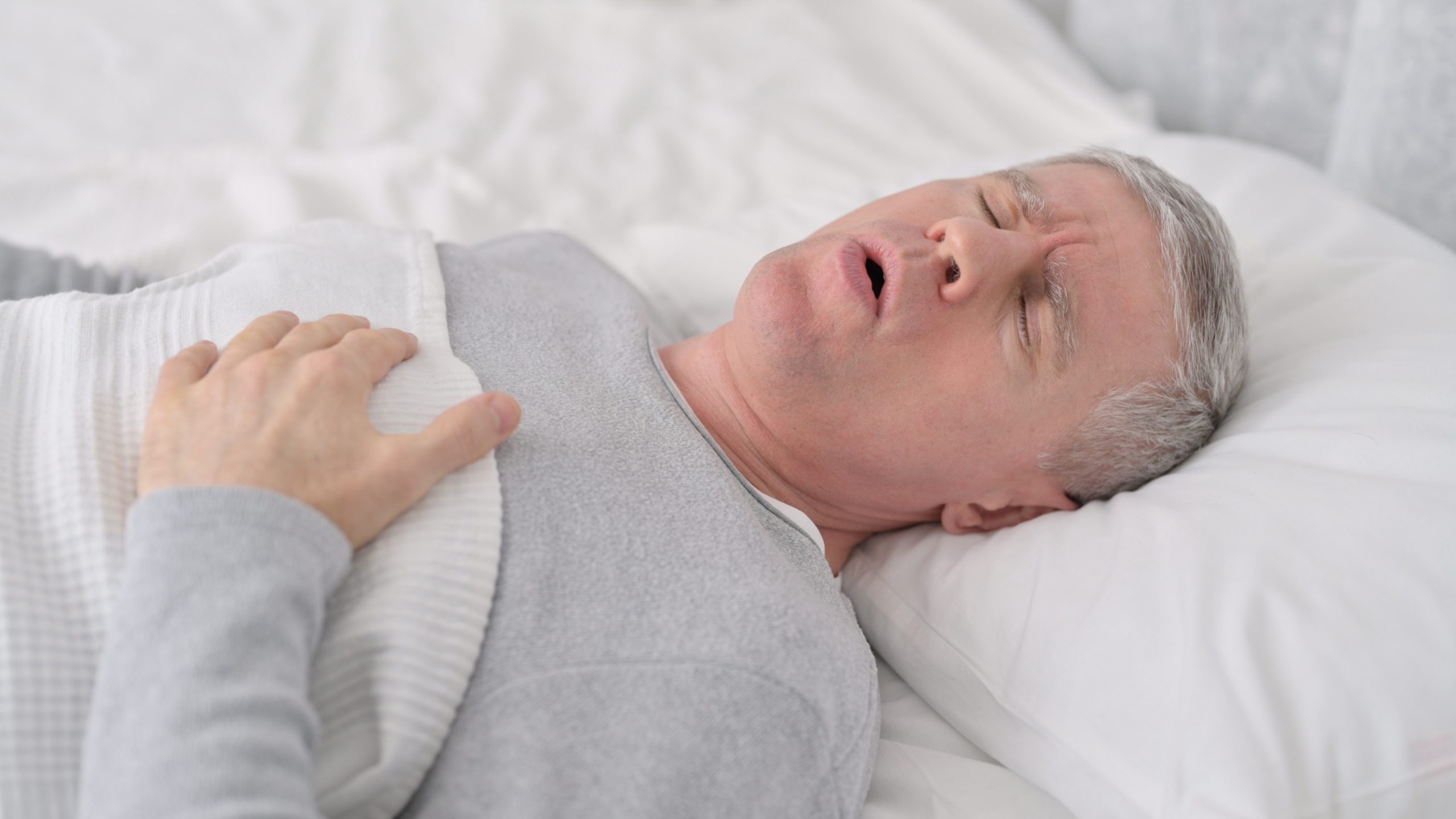
Experiencing a bubbling sensation in your chest can be unsettling, especially when it occurs while lying down. While this sensation can be caused by various factors, it's important to address the underlying cause to alleviate the discomfort and prevent recurrence. Here's a comprehensive guide to managing a bubbling sensation in your chest when lying down:
Lifestyle Changes And Home Remedies
Dietary Modifications
- Avoid foods that can cause gastrointestinal discomfort, such as greasy, spicy, or acidic foods.
- Increase your intake of fiber-rich foods like fruits, vegetables, and whole grains to promote digestion and reduce bloating.
- Maintain a regular meal schedule and avoid eating large meals late at night.
Improved Sleep Posture
- Elevate your head and chest using extra pillows or a wedge pillow to keep your airways open and reduce acid reflux.
- Avoid lying on your right side, as this can worsen acid reflux symptoms.
- Sleep on your back or left side to promote better digestion and reduce pressure on the chest.
Stress Reduction Techniques
- Practice relaxation techniques like deep breathing, meditation, or yoga to reduce stress and anxiety, which can contribute to digestive issues and chest discomfort.
- Engage in regular physical activity to promote overall health and well-being, but avoid strenuous exercise close to bedtime.
Over-the-counter Medications
- Antacids -Antacids like Tums or Rolaids can neutralize stomach acid and provide temporary relief from heartburn and acid reflux.
- Alka-Seltzer -Alka-Seltzer contains an antacid and a pain reliever, offering relief from heartburn, indigestion, and stomach upset.
- Pepto-Bismol -Pepto-Bismol contains bismuth subsalicylate, which helps coat the stomach lining and reduce inflammation, providing relief from heartburn, diarrhea, and nausea.
Healthcare Provider Treatments And Tests
- Physical Examination -A physical examination will help identify any abnormalities in your lungs, heart, or abdomen.
- Diagnostic Tests -Depending on the suspected cause, your doctor may order diagnostic tests such as chest X-rays, CT scans, or blood tests to rule out infections or other underlying conditions.
- Prescribed Medications -Based on the diagnosis, your doctor may prescribe medications tailored to your specific condition, such as antibiotics for infections, bronchodilators for asthma, or proton pump inhibitors for acid reflux.
Preventive Strategies
- Maintain a healthy lifestyle -Adopt a balanced diet, exercise regularly, manage stress levels, and get adequate sleep to promote overall well-being and reduce the risk of digestive issues and respiratory problems.
- Avoid smoking -Smoking irritates the lungs and airways, increasing the likelihood of chest discomfort and respiratory conditions.
- Manage allergies -If you have allergies, identify and avoid triggers to prevent allergic reactions that can cause chest tightness and wheezing.
Bubbling sensation in your chest can be caused by various factors, and it's important to address the underlying cause to alleviate discomfort and prevent recurrence. By following these lifestyle changes, home remedies, and preventive strategies, you can effectively manage this sensation and promote overall health and well-being.
When To See A Doctor?
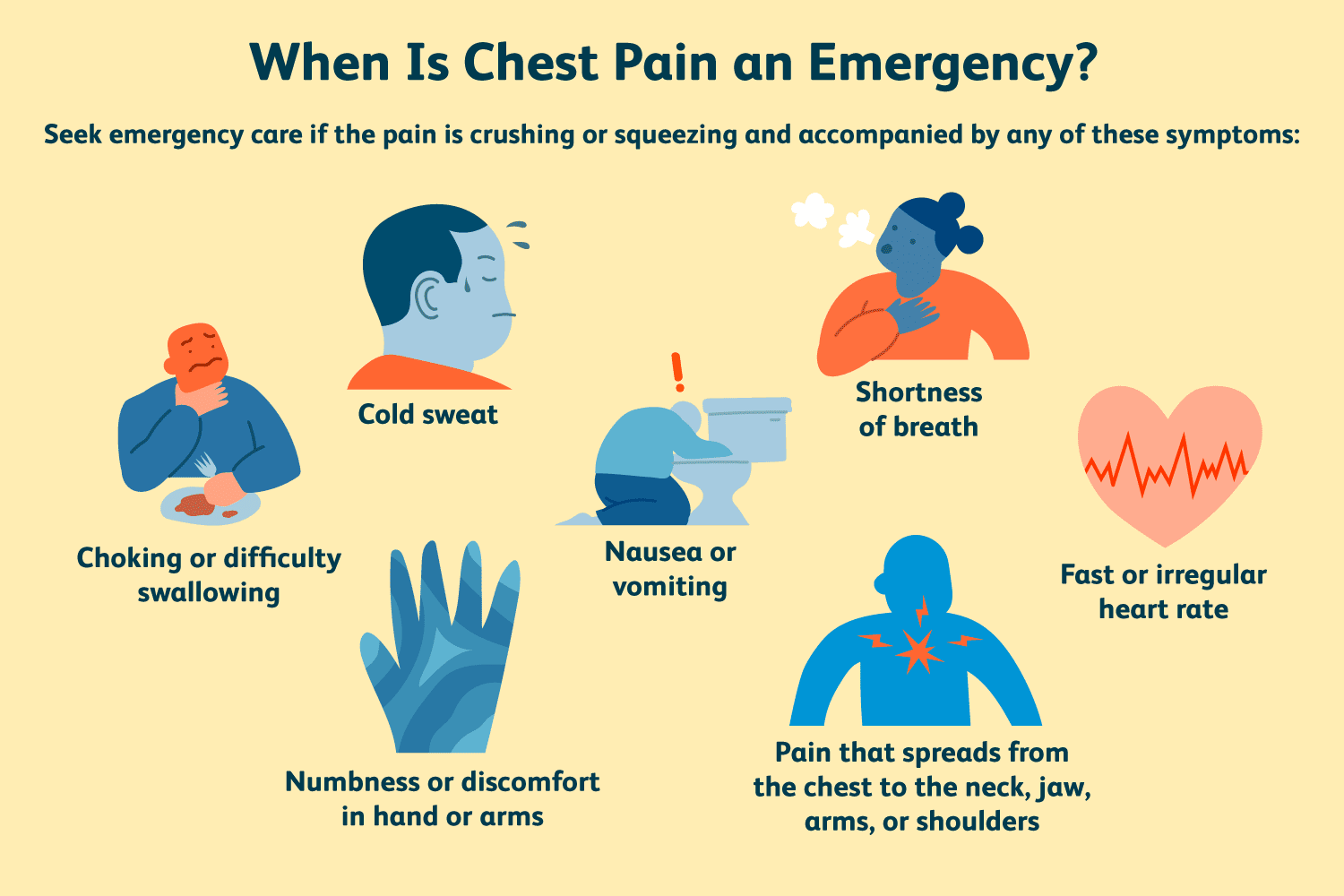
If the bubbling sensation persists despite lifestyle changes and home remedies, or if it is accompanied by other symptoms such as severe chest pain, shortness of breath, or fever, it's crucial to consult a healthcare provider. They will conduct a thorough evaluation to determine the underlying cause and recommend appropriate treatment.
Here are some of the symptoms that should prompt you to seek emergency medical treatment:
- Severe chest pain -If the bubbling sensation is accompanied by severe chest pain that worsens with breathing, movement, or exertion, it could indicate a serious heart condition or lung injury.
- Shortness of breath - If the bubbling sensation is accompanied by sudden and persistent shortness of breath, especially at rest, it could be a sign of a severe respiratory condition, such as a pneumothorax (collapsed lung) or pulmonary embolism (blood clot in the lungs).
- Cyanosis (bluish discoloration of the skin) -If you notice a bluish discoloration around your lips, fingers, or toes, it could indicate a lack of oxygen in the blood, potentially due to a severe respiratory or cardiac problem.
- Irregular heartbeat -If the bubbling sensation is accompanied by an irregular heartbeat, such as a very fast or slow heart rate, or a skipping or fluttering sensation in your chest, it could indicate a serious heart arrhythmia.
- Loss of consciousness -If you experience a sudden loss of consciousness or fainting along with a bubbling sensation in your chest, it could be a sign of a severe medical emergency, such as a heart attack or stroke.
If you experience any of these symptoms, seek immediate medical attention by calling 911 or going to the nearest emergency room. Early diagnosis and treatment can improve outcomes and prevent complications.
See Also: What's Causing A Weird Bubbly Feeling In My Chest But No Pain?
Bubbling In Chest When Lying Down No Pain - FAQ's
When Should I Be Worried About My Chest Feeling Weird?
It's important to pay attention to any changes in your chest, as this could be a sign of an underlying medical condition. Here are some general guidelines on when to be concerned about your chest feeling weird:
- If the feeling is new or persistent -If you've never experienced this feeling before, or if it's been going on for more than a few days, it's important to see a doctor to rule out any underlying medical conditions.
- If the feeling is severe - If the feeling is severe, such as if you have sharp chest pain, shortness of breath, or difficulty breathing, it's important to seek medical attention immediately.
- If the feeling is accompanied by other symptoms -If the chest feeling is accompanied by other symptoms, such as fever, nausea, or dizziness, it's also important to see a doctor.
Why Am I Feeling Vibrations In My Chest?
Stress, exercise, medication or, rarely, a medical condition can trigger them. Although heart palpitations can be worrisome, they're usually harmless. Rarely, heart palpitations can be a symptom of a more serious heart condition, such as an irregular heartbeat (arrhythmia), that might require treatment.
Can Gas Bubbles In Chest Feel Like Heart Palpitations?
Yes, gas and heart palpitations are related in some way. Excess air in the digestive tract can put pressure on the heart and cause it to skip beats. You have a nerve that lies just inside your upper gastrointestinal tract. When triggered, it can cause dizziness, fainting, or heart palpitations.
Conclusion
In conclusion, understanding the bubbling sensation in your chest when lying down is the first step towards reclaiming your peace of mind and restful nights. Armed with insights into potential triggers and lifestyle adjustments, you are now equipped to navigate this peculiar sensation with confidence. Remember, consulting with a healthcare professional is always a prudent choice if you have lingering concerns or if the bubbling persists. Your well-being is paramount, and by staying informed, you've taken a proactive step towards a more comfortable and serene existence.
As you embark on this journey of self-discovery and health empowerment, know that you are not alone. Many individuals have encountered similar sensations, and by sharing knowledge and experiences, we contribute to a collective understanding. Take charge of your health, prioritize your comfort, and embrace the knowledge gained from this guide as a tool for building a foundation of well-being. Here's to peaceful nights, tranquil moments, and a healthier, happier you.