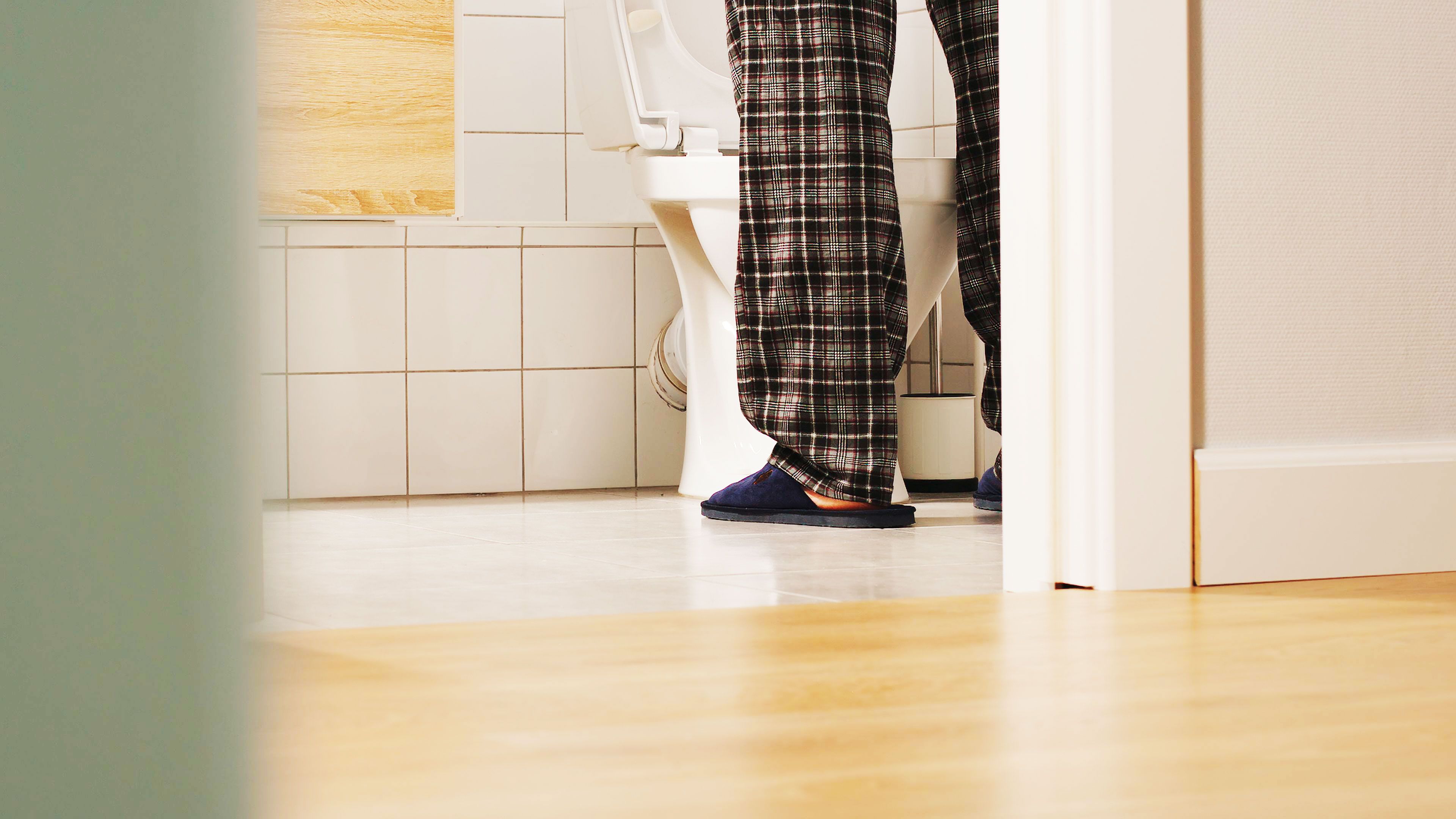
Understanding Frequent Urination At Night In Men
Imagine you're sleeping peacefully when your bladder wakes you at 2 AM. Then 4 AM. Then 6 AM before your alarm. Sound familiar? Two years ago, at age 52, I went from sleeping through the night to making three bathroom trips every single night. What started as an annoying problem turned into a wake-up call about my health that no man should ignore.
What causes frequent urination at night in men isn't just aging or drinking too much water. Getting up twice or more each night affects over 50 million American men, and the real culprits are usually enlarged prostate, sleep disorders, or blood sugar problems. Once you understand these causes, you can fix them. I went from three nightly trips to sleeping through most nights, and I'll show you exactly how.
What Exactly Is Nocturia?
When I first mentioned my nighttime bathroom trips to my doctor, she used the term "nocturia." Nocturia is the medical term for waking up more than twice each night to urinate, and it's much more common than most men realize.
But here's what I wish someone had told me earlier: nocturia isn't a disease itself. It's your body's way of telling you that something else is going on. Think of it like a smoke alarm; it's not the problem, it's alerting you to the problem.
Why Men Are Disproportionately Affected
As men, we face unique challenges when it comes to nighttime urination. The most common cause of urinary frequency in older men is an enlarged prostate, and typical signs include frequently having the urge to urinate, getting up at night, and feeling that your bladder is never really empty.
Our prostate glands grow throughout our lives. By age 50, about half of all men will have some degree of prostate enlargement. By age 80, that number jumps to 90%. This isn't necessarily problematic, but when the prostate grows large enough to press against the urethra, it creates the perfect storm for nighttime urination.
The Real Impact On Health And Relationships
Before experiencing nocturia myself, I underestimated how much it could affect daily life. The sleep disruption was just the beginning. I found myself:
- Feeling tired and irritable during the day
- Avoiding evening social activities (what if I couldn't find a bathroom?)
- Worrying about traveling or staying overnight anywhere
- Experiencing relationship strain due to sleep disturbances
Research shows that men with nocturia are 50% more likely to suffer from depression and anxiety. The constant sleep interruption affects our immune system, cognitive function, and overall quality of life in ways that ripple through every aspect of daily living.
Leading Causes Of Frequent Nighttime Urination In Men

1. Benign Prostatic Hyperplasia (BPH) - The Primary Culprit
According to the American Urological Association, about 1 in 3 adults over the age of 30 experience nocturia, and it's one of the most annoying urinary symptoms for men with an enlarged prostate.
When I learned about BPH, everything started making sense. Picture your prostate as a walnut-sized gland that surrounds your urethra like a doughnut around a straw. As it enlarges, it squeezes the urethra, making it harder for your bladder to empty during the day.
Here's the part that surprised me: during the day, when you're upright and active, gravity and muscle activity help compensate for the partial blockage. But at night, when you're lying flat, your body shifts fluid from your legs back to your core, increasing urine production just when your partially blocked system is least efficient.
Key Signs Of BPH Affecting Your Sleep:
- Taking longer to start urinating
- Weak urine stream
- Feeling like your bladder never fully empties
- Dribbling after you think you're done
2. Diabetes And Blood Sugar Dysregulation
I had no idea that my occasional high blood sugarreadings could be connected to my nighttime bathroom trips until my doctor ordered an A1C test. When your blood sugar levels are consistently high, your kidneys work overtime to filter out the excess glucose, pulling water with it.
This creates a vicious cycle: high blood sugar leads to more urine production, which leads to dehydration, which can actually make blood sugar control more difficult. Even if you don't have full-blown diabetes, prediabetes or insulin resistance can contribute to nocturia.
What To Watch For:
- Excessive thirst during the day
- Increased appetite
- Fatigue that doesn't improve with more sleep
- Slow-healing cuts or infections
3. Sleep Apnea's Hidden Connection
This was the connection I never saw coming. Sleep apnea and frequent urination seem completely unrelated, but they're intimately connected through your body's hormonal systems.
When you have sleep apnea, the repeated interruptions in breathing trigger your body's stress response. This suppresses the production of antidiuretic hormone (ADH), which normally helps your kidneys concentrate urine during sleep. Without enough ADH, your kidneys produce more dilute urine throughout the night.
Additionally, the oxygen deprivation from sleep apnea can affect your heart's ability to regulate fluid balance, leading to increased nighttime urine production.
4. Heart Conditions And Fluid Redistribution
Your heart and kidneys work together to manage fluid balance in your body. When I was dealing with nocturia, my doctor also checked my heart function, and here's why: if your heart isn't pumping efficiently during the day, fluid accumulates in your legs and abdomen. At night, when you lie flat, gravity helps redistribute this accumulated fluid back into your bloodstream.
Your kidneys then work to filter this "extra" fluid, leading to increased nighttime urine production. This is why men with heart failure often experience their worst nocturia symptoms. Experiencing chest pain after waking upcan sometimes signal underlying heart issues that also contribute to nighttime urination, so it’s important to monitor and discuss these symptoms with your doctor.
5. Medications And Their Unintended Effects
I was taking a blood pressure medication called a diuretic without realizing how it was affecting my sleep. Many common medications can contribute to nocturia, including:
- Diuretics (water pills):Obviously increase urine production, especially problematic if taken in the evening
- Blood pressure medications:Some types affect kidney function and fluid balance
- Antidepressants:Can alter hormone production and bladder function
- Antihistamines:May affect bladder muscle control
- Alpha-blockers:Ironically, while these help with BPH symptoms, they can sometimes worsen urinary frequency
6. Lifestyle Factors And Evening Habits
Sometimes the cause is simpler than we think. I discovered that my evening routine was sabotaging my sleep:
- Drinking large amounts of fluid 2-3 hours before bed
- Consuming caffeine after 2 PM (coffee, tea, chocolate, or soda)
- Drinking alcohol in the evening, which suppresses ADH production
- Eating high-sodium foods at dinner, which increases thirst
The 3-2-1 Rule I Now Follow:
- 3 hours before bed: No large meals
- 2 hours before bed: No alcohol
- 1 hour before bed: No fluids (except small sips if needed for medications)
7. Age-Related Hormonal Changes
As we age, several hormonal changes contribute to nocturia:
- Decreased ADH production:Our bodies naturally produce less antidiuretic hormone with age
- Reduced bladder capacity:The bladder muscle becomes less elastic and holds less urine
- Changed sleep patterns:We spend less time in deep sleep stages when ADH production is highest
- Testosterone decline:Lower testosterone levels can affect prostate health and bladder function
How Multiple Conditions Amplify Nocturia
The BPH-Sleep Apnea-Diabetes Triangle
What I learned through my experience is that these conditions don't exist in isolation. I had mild BPH, borderline sleep apnea, and prediabetes, each one making the others worse.
The enlarged prostate made it harder to empty my bladder. Poor sleep from both nocturia and sleep apnea made my blood sugar control worse. Higher blood sugar increased urine production, which worsened both the sleep disruption and put more stress on my already-challenged prostate.
Breaking The Cycle
Understanding these connections was the key to breaking the cycle. Instead of treating just one symptom, I had to address the whole system:
- Managing blood sugar through diet and exercise reduced nighttime urine volume
- Treating sleep apnea with a CPAP machine improved ADH production
- Addressing BPH symptoms reduced the urgency and frequency
- Improving overall sleep hygiene helped all systems function better
Red Flag Symptoms That Demand Immediate Attention
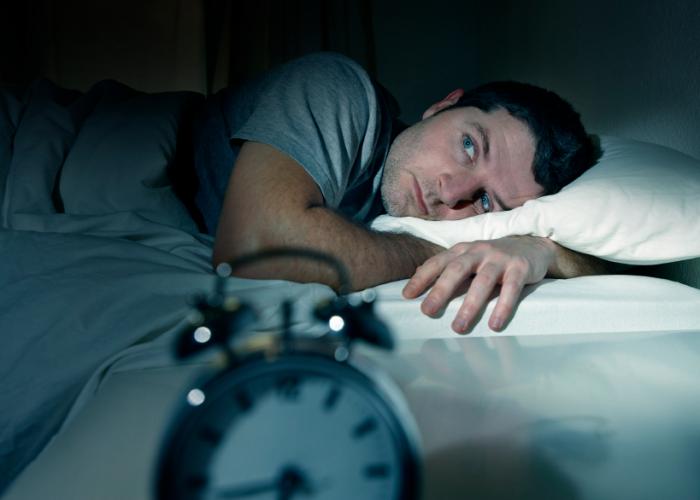
While most nocturia is related to benign conditions, certain symptoms require immediate medical evaluation:
Urgent Warning Signs
- Blood in urine (even if it comes and goes)
- Severe pain while urinating
- Fever with urinary symptoms
- Complete inability to urinate
- Sudden onset of severe nocturia (going from 0-1 times to 4-5 times per night within days)
- Weight loss without trying
- Persistent back or side pain
Progressive Vs. Sudden Onset: What It Means
In my case, the nocturia developed gradually over several months. This gradual onset usually suggests benign causes like BPH or age-related changes. However, sudden onset or rapidly worsening symptoms can indicate more serious conditions like:
- Urinary tract infections
- Prostate cancer
- Kidney disease
- Uncontrolled diabetes
- Heart failure
The key is paying attention to the pattern and not dismissing symptoms as "just getting older."
Solutions And Treatment Approaches
Lifestyle Modifications That Actually Work
Based on research and my personal experience, these lifestyle changes can reduce nighttime urination by 30-50%:
Fluid Management:
Limit fluid intake 2-3 hours before bedtime, avoiding or reducing alcohol and caffeine intake. Focus on adequate hydration earlier in the day, and track your fluid intake and urination patterns for 3-7 days. You can use helpful tools like Tablas de Multiplicarto create a simple daily tracking chart and spot patterns easily.
Dietary Adjustments:
- Reduce sodium intake, especially at dinner. Limit spicy foods and artificial sweeteners
- Consider reducing citrus fruits and tomatoes if they worsen symptoms
- Developing health and wellness skillscan help you identify personal triggers and make smarter dietary choices for better nighttime comfort.
Physical Strategies:
- Elevate your legs for 30 minutes before bed to help redistribute fluid
- Practice double voiding (urinate, wait a few minutes, then try again)
- Perform pelvic floor exercises to strengthen bladder control
Medical Treatments By Condition
For BPH:
- Alpha-blockers (tamsulosin, alfuzosin) relax prostate muscles
- 5-alpha reductase inhibitors (finasteride, dutasteride) shrink the prostate
- Minimally invasive procedures like UroLift or steam therapy
- Traditional surgery for severe cases
For Diabetes-related Nocturia:
- Better blood sugar control through medication adjustment
- Continuous glucose monitoring to identify patterns
- Timing of diabetes medications to minimize nighttime effects
For Sleep Apnea:
- CPAP or BiPAP therapy
- Oral appliances for mild cases
- Weight loss and positional therapy
- Surgery for structural issues
Emerging Therapies And Future Options
The field of nocturia treatment is evolving rapidly:
- Desmopressin nasal spray:A synthetic version of ADH for carefully selected patients
- Botox injections:For an overactive bladder that doesn't respond to other treatments
- Neuromodulation:Devices that regulate bladder nerve signals
- Prostate artery embolization:Advanced treatment options for BPH, including Prostate Artery Embolization, to alleviate symptoms such as frequent urination at night
Building Your Personal Action Plan
Here's the systematic approach I wish I had followed from the beginning:
Week 1: Document And Track
- Keep a bladder diary noting fluid intake, urination times, and volume
- Record sleep quality and daytime symptoms
- Note any medications or supplements you're taking
Week 2: Implement Basic Lifestyle Changes
- Follow the 3-2-1 rule for evening fluid intake
- Try elevation of legs before bedtime
- Practice double voiding technique
Week 3: Evaluate And Adjust
- Review your bladder diary for patterns
- Assess improvement in sleep quality
- Identify which changes made the biggest difference
Week 4: Seek Medical Evaluation If Needed
- If symptoms persist or worsen despite lifestyle changes
- If you notice any red flag symptoms
- If nocturia is significantly impacting your quality of life
Working With Healthcare Providers
- When you're ready to seek medical help, come prepared:
- Bring your bladder diary showing patterns over at least a week
- List all medications and supplements, including timing of doses
- Prepare specific questions about treatment options and expected timelines
- Discuss your goals is it reducing frequency, improving sleep, or addressing underlying health concerns?
- Be honest about how nocturia is affecting your life. Many men minimize the impact, but your doctor needs to understand the full picture to provide the best care.
People Also Ask
How Many Times Should A Man Urinate At Night?
A healthy man should be able to sleep for six to eight hours without needing to urinate at night, though waking up once or twice is also considered normal. Waking up to urinate two or more times per night, a condition called nocturia, may indicate an underlying issue and warrants a consultation with a healthcare provider.
Which Antibiotic Is Best For Frequent Urination?
Healthcare providers commonly prescribe the following antibiotics to treat UTIs:
- Nitrofurantoin.
- Sulfonamides (sulfa drugs), such as sulfamethoxazole/trimethoprim.
- Amoxicillin.
- Cephalosporins, such as cephalexin.
- Doxycycline.
- Fosfomycin.
- Quinolones, such as ciprofloxacin or levofloxacin.
Can Diabetes Medications Make Nighttime Urination Worse?
Some diabetes medications, particularly SGLT2 inhibitors, can initially increase urination as they help remove excess glucose through urine. This effect usually diminishes as blood sugar control improves. The timing of medications can also matter work with your doctor to optimize timing.
Final Thoughts
After solving my nocturia over two years, I want you to know that restful nights are possible again. What causes frequent urination at night in men is rarely just one thing; it's usually your prostate, sleep, blood sugar, and heart health working together. These problems affect men over 50 the most, but they're completely treatable when you address the root causes.
Start with simple changes: adjust your evening routine, track your patterns, and don't accept this as normal aging. If lifestyle changes don't help within 4-6 weeks, see your doctor. The sooner you treat underlying issues like BPH, sleep apnea, or diabetes, the better you'll sleep. Good sleep isn't a luxury; it's essential for your health and happiness. Take the first step today.